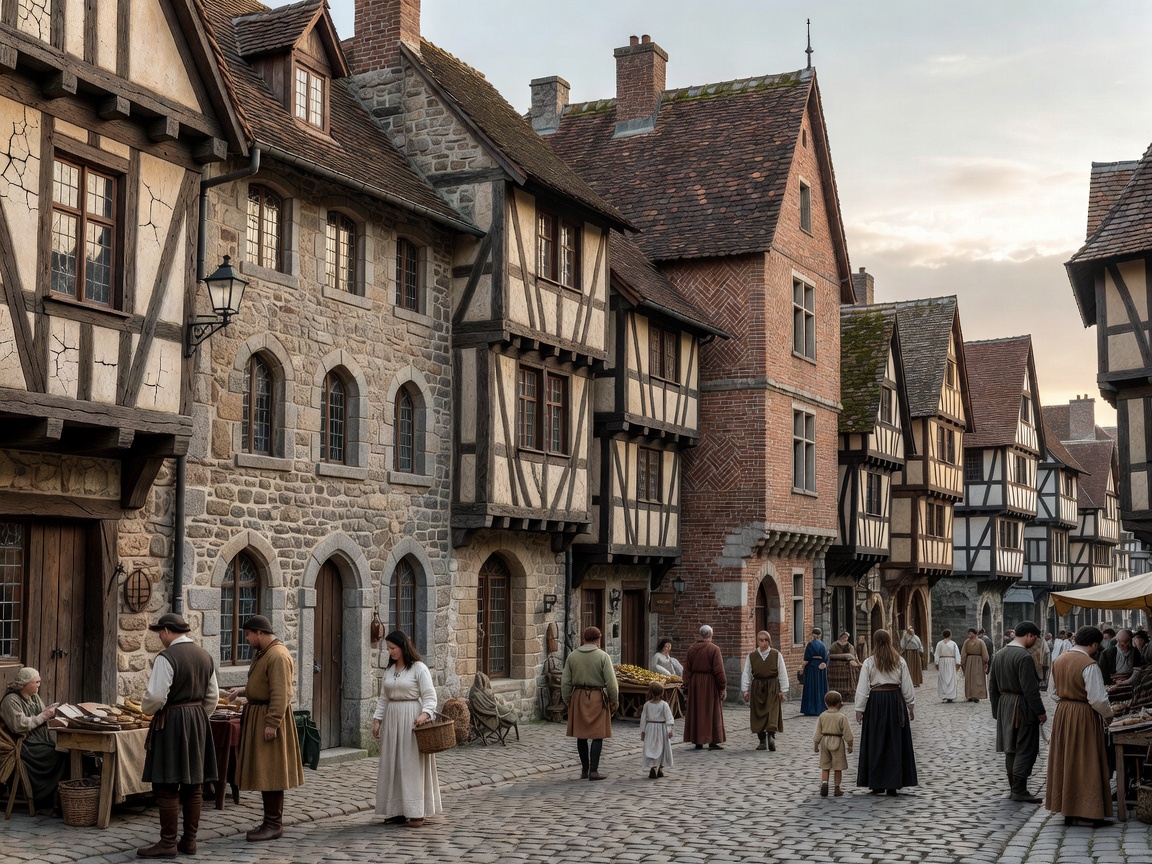
A shopping district is an urban place before it is a retail destination. Its character comes from building history, street width, transit, public space and the many people who use it for different reasons. Paying attention to those elements makes a visit richer and helps avoid treating cities as interchangeable backdrops.
Commercial streets and monumental avenues
Historic commercial streets often reveal how a city grew: through changing plot sizes, ground-floor uses and layers of materials. Monumental avenues create a different experience, with longer views and more formal proportions. In Paris, wide boulevards and smaller streets coexist; in Madrid, broad central avenues meet dense neighbourhood routes. These general observations are starting points, not a complete account of either city.
Observe how retail uses occupy the ground floor while homes, offices or cultural spaces sit above. Window rhythm, entrance scale and façade details can help explain whether a street feels intimate or ceremonial. Avoid assuming that every building or district has a single origin story; architectural history is specific and should be supported by reliable local sources.
Passages, arcades and adaptive reuse
Covered passages offer a distinctive pedestrian interior between streets. Their roofs, floors and shopfronts create a sheltered route while retaining a relationship with the surrounding blocks. Historic passages in Paris are one example of this form. Their architecture can be experienced without claiming that every passage has the same age, heritage status or current retail role.
Historic buildings may also be adapted for contemporary uses. A former commercial or civic structure can acquire new functions while keeping visible parts of its earlier fabric. Look at how entrances, materials and circulation have been altered, and distinguish what you can observe from what requires historical verification. A building's appearance alone does not establish its protected status.
Contemporary retail architecture
New retail environments use glass, metal, stone, timber and carefully directed lighting to shape movement and display. Atriums, stairs and bridges can create visual connections across floors. The most successful circulation is legible: visitors can understand where routes lead, locate lifts and move between uses without relying solely on signs.
Architecture also meets environmental and accessibility questions. Shade, seating, crossings, step-free paths and shelter influence who can use a public street comfortably. Features vary by location and can change during construction or maintenance. If access is important to your visit, check current local and venue information rather than assuming a route is accessible based on photographs.
Squares, street furniture and public life
Public squares and small open spaces offer a counterpoint to commercial activity. Benches, trees, lighting, paving and crossing design affect whether a space invites a pause or simply moves people through. Cafés may contribute to street life, but a neighbourhood's culture cannot be reduced to its visitor-facing businesses. Residents, workers, markets, transit users and public services are part of the same city.
Lighting changes the perception of streets after dark. Architectural illumination can reveal details, while the light from shops and cafés creates smaller pools of activity. Plan evening walks with local safety guidance and practical transport in mind. The look of a street at night may differ substantially from a daytime visit.
Connect shopping to cultural landmarks
A thoughtful walking route can join retail streets with museums, civic buildings, religious architecture, gardens or public squares. Paris, Milan, London, Vienna, Madrid and Barcelona offer many distinct combinations, each shaped by local history and urban form. Choose a manageable route and check the location, access requirements and opening information for each cultural venue directly.
Transport networks and climate influence how visitors experience these connections. A dense street grid may invite exploratory walking, while broad avenues or hills call for more planning. In hot weather, shade and rest stops matter; in wet conditions, arcades or transit can make a route more comfortable. These details often shape a day more than an abstract notion of prestige.
What to notice
Building scale, façade rhythm, ground-floor uses, public seating, transit access, shade and the transition from street to interior.
Walking advice
Choose a short route with clear landmarks, check crossings and access, and leave time to stop without blocking busy pedestrian flows.
Keep the city's whole story in view
Retail can be one lens on urban design, but it is not a measure of a city's cultural value. Notice how commercial activity sits beside ordinary services, public spaces and historic fabric. Follow the route that interests you, verify specific historical details with trustworthy local resources and let the street reveal more than its display windows.
See how architecture fits into the retail experience in our guide to centres and arcades.