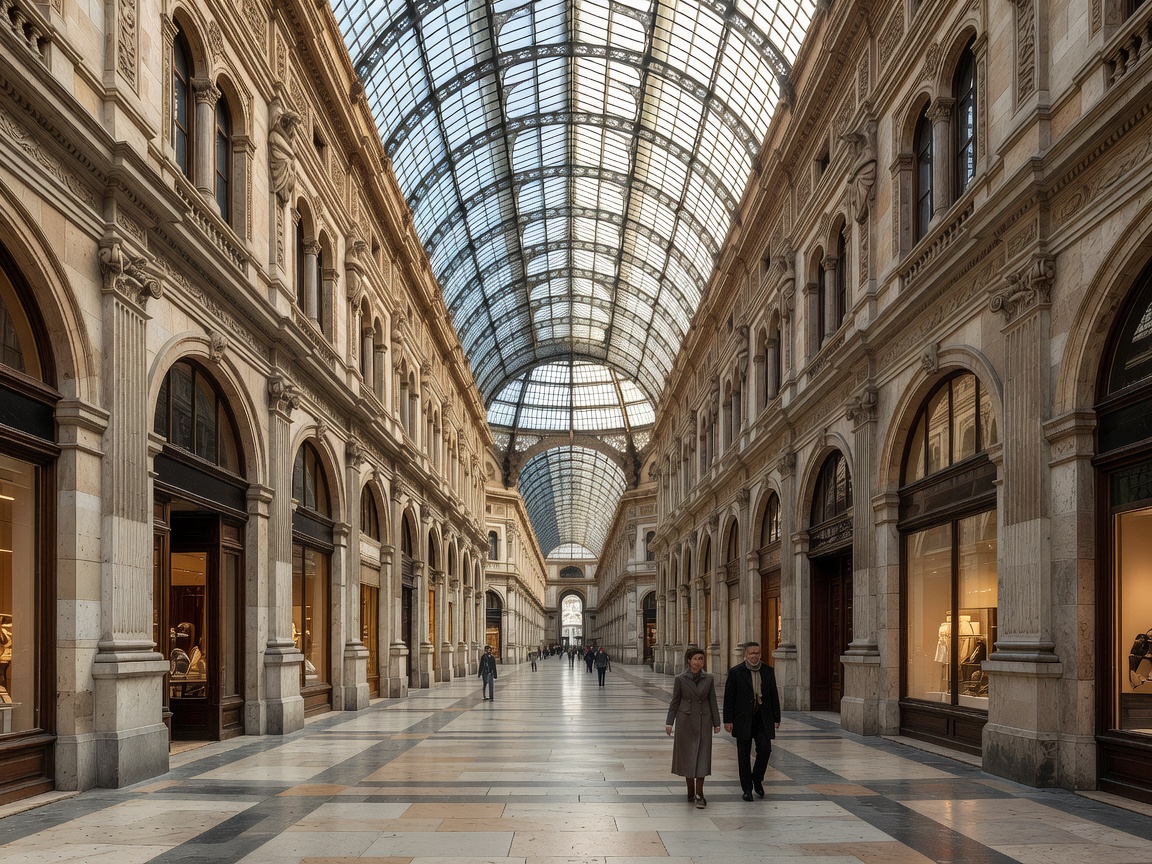
Retail architecture is not just a backdrop. It influences orientation, comfort, pace and the relationship between shops and the public realm. A useful comparison begins with the type of space, rather than a presumed ranking of properties.
Three ways to shop in the city
An open-air fashion street remains part of the urban network. It can connect public transport, squares, cafés and other neighbourhoods, with each building contributing to the experience. The trade-off is exposure to rain, heat, traffic and crowds. Distances may be greater than they appear on a simple list of destinations.
A contemporary shopping centre gathers multiple uses in a managed interior. Clear circulation, weather protection, lifts, seating and food options may make a visit easier to organise, though the atmosphere can feel less connected to the local street. Centres vary greatly in scale, access arrangements and current tenant mix; check the individual venue’s official information for details.
Historic covered passages occupy a distinctive middle ground. Their enclosed routes, glazed roofs and architectural details can provide a sheltered pedestrian link while retaining a close relationship with the surrounding city. Paris's covered passages are well-known examples of this broader urban form, but each has its own access, businesses and character. A passage is not necessarily a comprehensive shopping centre.
Department stores and mixed-use buildings
A department store places different categories within a single building. Its staircases, atriums, upper-floor views and material finishes may be as memorable as its retail offer. Historical retail buildings can also serve as urban landmarks. Do not assume that every department store retains the same departments, services or hours; check current information with the venue.
Mixed-use developments bring retail together with dining, offices, leisure or other functions. They can extend activity beyond shopping, but their design and public access conditions vary. Look for accessible entrances, lift locations, clear wayfinding and links to nearby transit when deciding whether a particular environment suits your visit.
How architecture changes the experience
Light is one of the first differences a visitor notices. Daylight through a glazed roof feels unlike carefully layered interior illumination. Polished stone, timber, metal and glass reflect light differently, while ceiling height and structural rhythm affect a space’s scale. Well-considered circulation helps visitors see routes and destinations without constant backtracking.
At the same time, a beautiful interior does not guarantee straightforward access. Check step-free entrances, lifts, accessible toilets and current visitor guidance directly. If you have mobility requirements, contacting a venue in advance can help you establish what is available. Crowding, temporary works and event arrangements can also affect the experience.
Dining, transit and weather
Some enclosed environments include cafés or restaurants; street districts may offer a broader range of independent places nearby. Neither setting guarantees availability or a particular budget. Review current venue information and make reservations directly where appropriate. Weather protection can be useful during a rainy or very hot day, while an open route offers more opportunities to explore the surrounding city.
Check public transport connections before travelling. A centre may have a nearby station, but the entrance and walking route still matter; a historic arcade can sit close to a central pedestrian route without being a destination by itself. Allow time for transfers, crossings and rest. If your itinerary includes several locations, group them geographically.
Advantages and limitations
Centres & department stores
Advantages: concentrated facilities, shelter, internal wayfinding and the chance to explore a building in one visit. Limitations: a managed environment may offer less street-level context, and the tenant mix changes.
Arcades & streets
Advantages: architectural variety, direct city connections and an experience shaped by public space. Limitations: weather, uneven routes, variable opening arrangements and longer distances.
Make the setting work for your day
Choose based on comfort, curiosity and the rest of your itinerary. A covered passage can be a short architectural detour, a department store a focused visit, and an open district the backbone of a longer walk. Current opening details, tenant directories and services should always be checked directly; this guide does not publish live listings, prices or promotions.
Pair this guide with our architecture and culture notes to understand how retail spaces meet the wider city.