Shopping districts are social spaces as well as retail destinations. Cafés, hotels, restaurants, public transport and cultural institutions shape how long a visitor stays and how a day unfolds. Planning these elements together can make an itinerary more comfortable without turning it into a rigid checklist.
Choosing where to stay
A hotel near a shopping area can reduce journey time, but “central” means different things in different cities. Compare the actual walking route, public transport links, neighbourhood noise and the places you hope to visit. A quieter base a short transit ride away may suit travellers who value calmer evenings, while a central location can make it easier to return for a rest.
Review amenities, accessibility information, cancellation terms and transport connections before booking. Do not assume a hotel provides luggage storage, delivery handling or a particular service: policies differ, so ask the accommodation directly. Check the route from the station or airport and consider steps, hills, cobbles or busy crossings if these affect your group.
Café culture and a useful pause
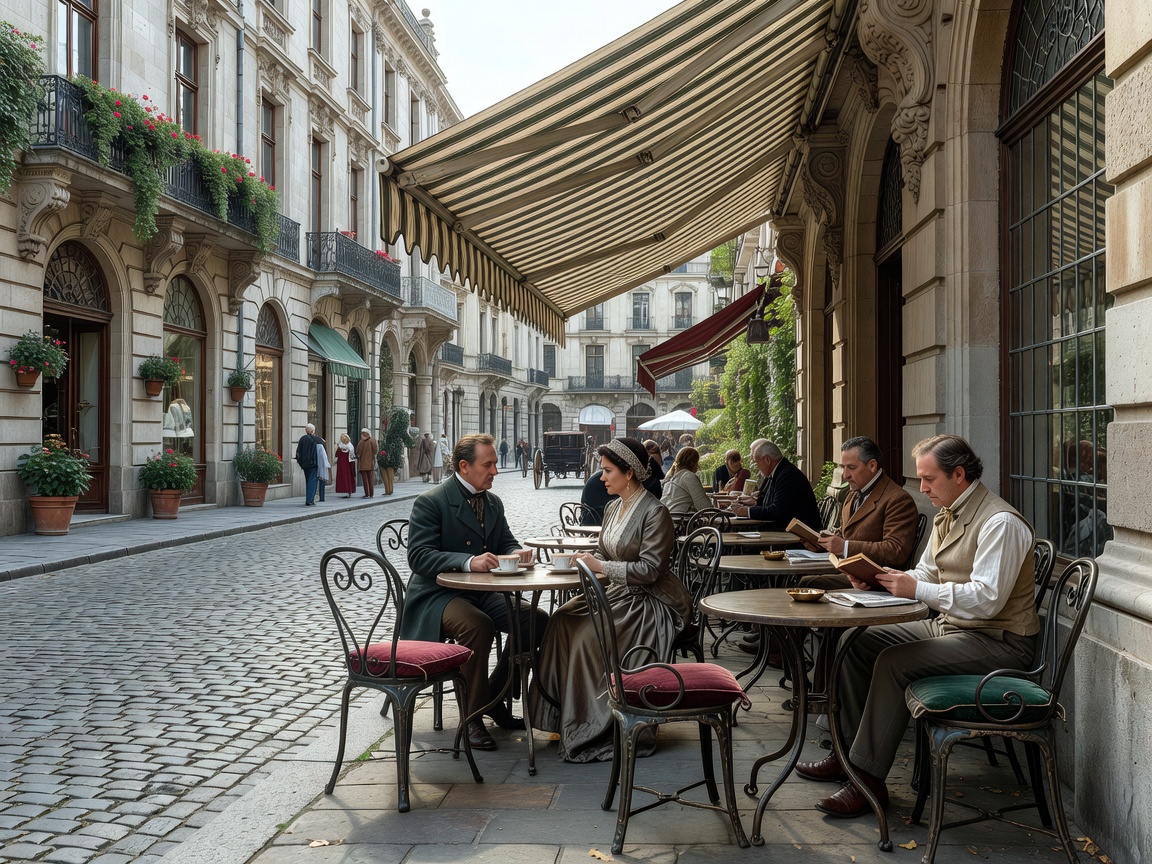
Cafés give a shopping walk a natural pause. In Paris, café terraces are part of the familiar street scene, though their setting and pace vary by neighbourhood. Vienna's coffeehouse culture has a long-established place in the city's social life. In Copenhagen, visitors may find contemporary café interiors as well as more traditional settings. These broad impressions are not a substitute for local research; venues, menus and services change.
Think about where a break falls in your route. A stop near a transit connection can make it easier to continue across town; a quieter side street may offer a different atmosphere from a busy avenue. If you have dietary, seating or accessibility needs, check current venue information directly. We do not make specific café recommendations or claims about availability.
Plan dining with flexibility
Restaurant choices and budgets vary widely. Look at current menus, booking requirements and meal times through the venue itself, and make reservations directly if needed. A leisurely meal can become the centrepiece of a day, while a simple café break may be more practical between appointments. Allow time to travel from the shopping area rather than assuming every dining option sits immediately nearby.
Walking distance, transport and shopping bags
Walking is often the best way to understand a retail district, but distances can add up. Group streets into manageable sections and use public transport for longer connections. Check local transit guidance and step-free options in advance; lifts and accessible routes can change due to maintenance. Build in rests and consider weather, especially during hot summers, rainy periods or winter evenings.
Shopping bags can affect the rest of an itinerary. Consider whether you can return to your accommodation, travel comfortably on public transport or carry purchases safely. Never assume a hotel will store bags or accept a delivery—confirm its current policy. Keep valuables secure and follow local advice about public transport and busy areas.
Combine retail with culture
A museum, historic building, public garden or architectural walk can give a shopping day a wider point of view. Paris, Milan, London, Vienna and Madrid each contain distinct cultural areas, but no shopping district represents an entire city. Use a route planner to connect places realistically and check venue access or ticket information directly. Leave enough time to enjoy a cultural stop rather than squeezing it between too many retail visits.
Good for
Travellers who want an unhurried day, accessible breaks, local food culture and a stay that makes transit or walking convenient.
Planning checklist
- Compare location, transit and cancellation terms.
- Confirm storage and accessibility policies directly.
- Check dining details and reserve where appropriate.
- Leave room for a museum, plaza or unplanned pause.
Seasonality and reservations
Travel demand, daylight, weather and local calendars affect the feel of a city. Busy periods can make accommodation and dining planning more important; quieter seasons may bring shorter daylight or different weather considerations. Check current travel advice and venue details close to your visit. This atlas is an editorial resource, not a booking service, and it does not list live rates or availability.
For a street-by-street perspective, continue with our destination guide.